Showing posts with label Rendezvous. Show all posts

Wednesday, June 29, 2016

Turkish Cuisine

On June 28th 2016, the nation of Turkey met a tragic moment in its history. Please keep the people of Istanbul in your thoughts. For the tragedy of the incident in Istanbul, I dedicate this post for Turkey and the Turkish people. Stay Strong! Guclu Kal!

Turkey is very interesting in its history and geography. Turkey has been part of many early empires of history including the Persian Empire and the Ottoman Empire. It is located in a place that serves to be the gateway to Asia and Europe. Turkey is literally the bridge of both worlds, the best of both worlds! The cuisine of Turkey thus has been immensely influenced throughout history and influenced others too. Turkey has so much delicious food that we might not know of like Kofta or foods we might know like Kebab. Whether we know it or not, Turkey has so much food for us to explore so without further adieu, Mei Wei Café brings you on another Rendezvous and this time we will discover:


                          Turkish Cuisine!
The ancient and beautiful city of Istanbul
Meze, an appetizer serving before main meals. Yes these are all just appetizers... I'm moving to Turkey now
The bridge between Asia and Europe has shaped the cuisine in many ways

History and Geography:

The history of the Turkish cuisine is very significant as it carries on the tradition and cuisine of the Ottoman Empire. The Ottoman Empire was a very large and influential dynasty that ruled much of Eastern Europe and Central Asia for ages. For a long time, it was one of the richest nations in this world. This lavish nation bordered by many cultures of course experienced tremendous wealth in cuisine marking some of the most defined dishes like dolma, a grape leaf wrapped dish. Geographically speaking, Turkey's cuisine varies from region to region. For instance, West Turkey has more olive trees thus dishes use more olive oil. Geographically, Turkey is located in the best spot to have a very unique cuisine, borrowing cuisines from Europe and Asia. The Turkish cuisine is very similar and influences the cuisine of Greece, the Middle East, Central Asia, Jewish cuisine, the Balkans, and Europe. Wherever there are ethnic Turks, there will be a Turkish related cuisine. This includes Iran and even China! When it comes to food, Turkey is very open minded and uses many ideas and ingredients. The Silk Road reaching India and China also ran through Turkey thus the exchange of ideas and foods existed very early. So due to these factors, Turkey has some of the most appealing and unique cuisines.

Olives are an important essence of Mediterranean cuisine, including Turkey.
The Ottoman Empire had luxurious feasts and dishes. Luckily, a lot of this tradition served into Turkish cuisine.
 
 
Structure:

Breakfast:
The Turkish cuisine could be expressed just through breakfast. Breakfast is perhaps the most important meal in Turkey and it is done massively. Breakfast or "before coffee" is amazing in Turkey! It includes so many things like nuts, cheese, yogurt, soups, meats, bread, and so much more! It is not uncommon for breakfast to resemble a feast in Turkey! This is especially true if you are having menemen, a Turkish specialty that is a huge festive platter for breakfast. This meal commonly includes scrambled eggs, tomatoes, green peppers, Beyaz Peynir (brined goat cheese), and many different breads like simit (Turkish bagel) and pogaca (Turkish focaccia). Another great pairing with Turkish breakfast is of course the famous Turkish tea and Turkish coffee, each usually brewed stronger than more western versions. The Turkish breakfast represents Turkish cuisine very well, beautiful, delicious, and extravagant.

Menemen, an extravagant breakfast that is fit for a Sultan!


Meze:
Speaking of extravagant, the Turkish lavishness does not stop at breakfast. Before the main dish of a meal, the Turkish commonly have meze an appetizer portion that is also very festive and superb. Meze could be anything, like regional specialties including cheese, olive, dolma (filling wrapped in grape leaves), hummus, salads, meats, seafood, and so much more! Just looking at this "appetizer" platter is enough to satisfy anyone.

Meze is a great way to open the meal and show off the regional specialties.

Ingredients:

As explained earlier, Turkey has a diverse pool of ingredients with ingredients tracing to China and the New World (the Americas). Turkey is very balanced when it comes to meats, vegetables, and fruits, as it is used in all dishes.

Meats and Seafood:
Meats and seafood are some of the most special part of Turkish cuisine, as everyone knows what a kebab or doner is. The main meat consumed in Turkey is lamb, and lamb from this region is REALLY good. Turkey also uses chicken, and beef. Turkey is a Muslim majority nation so pork is omitted. Being a nation with many contacts with the sea, Turkish cuisine also includes a lot of seafood, particularly sardines, anchovies, mussels, and squid (Kalamar). Did you know that tartar sauce for fried seafood is from Turkey? These meats of course are traditionally grilled like you see in doner vendors, but they can also be stewed, fried, and cooked in casseroles. To show how great the influence of Turkish meat is, kebab, lamb shanks, kofta (Turkish meatballs), and shish kebabs (skewered meats) are all Turkish dishes.

Turkish shish kebab
Shwarma, doner, gyro, kebab, whatever you want to call it, this form of Turkish/Mediterranean BBQ is famous all over the world. 
Doner is a dish that is very common in Turkey and now at every street vendor in the world!
 
 
Starches and Carbs:
Turkey has its fair share of grains and rice. With influence from Asia, Turkey enjoys rice dishes like pilaf as seen in many Middle Eastern cuisines, and many breads like in Europe. These breads and pastries come in many forms from bagels to flatbreads. The meat of Turkish food is often very heavy and the sauce is very creamy, thus the rice and bread is a great way to balance out the flavor.

Middle Eastern pilaf  is very common throughout Turkey.
Fruits and Vegetables:
Fruits and vegetables are another very important part of Turkish cuisine as it usually accompanies a lot of Turkish dishes. Yes, fruits are commonly served alongside meats. Some very essential vegetables in Turkey are green peppers, onions, garlic, lentils, tomatoes, and olives. A lot of essential fruits are dates, pomegranate, figs, apples, plums, grapes, pears, and apricots. It is not uncommon to see both fruits and vegetables served alongside dishes and meats or cooked into these dishes.

Dairy Products:
A lot of the dressing and sauces used in Turkish and other Mediterranean dishes are very creamy with a huge dairy presence. Yogurt is good here as it is said to have originated around this region. It is more lean and have a low fat content. Dairy is a huge part of the local diet and yogurt and other dairy products vary across different regions of Turkey. Cheese is usually goat and sheep cheese as sheep and goats are abundant and the preferred livestock. There are too many special cheeses to name but one of the most famous is Beyaz Peynir which is brined sheep cheese that is like feta cheese.

The famous Turkish Beyaz Peynir
Yogurts and yogurt based sauces are very commonly used by locals in Turkey.


Specialties:

There are a lot of special factors that define the Turkish cuisine that cannot be entirely named in this post, but here are some things that set it apart from similar and neighboring cuisines. As compared to Greeks (which Turkish cuisine is often compared to), Turkish cuisine uses more nuts like peanuts and pistachios. It also uses a lot of spices and seasonings when compared to similar cuisines. Olive oil, cumin, allspice, parsley, thyme, black pepper, and paprika are very common in many dishes. One very special dish from Turkey and the surrounding area are dolmas, a dish with filling that could be cooked vegetables or ground meat and other spices wrapped in grape leaves then cooked again. It is a very unique and iconic dish in Turkey. Another great part of the Turkish cuisine is how Westernized fast food is not as widespread in Turkey as is elsewhere. The Turkish people overall prefer home cooked meals than fast food. This is very important as the Ottoman and Turkish tradition can be preserved through the homemade cooking you would often encounter in Turkey.

Spices like these are very common in cities like Istanbul and makes the Turkish cuisine pack a powerful punch.
Dolmas are grape wrapped treats unique to this region.


Desserts:

Ok, so we discussed how important and extravagant breakfast and appetizer is to the Turkish cuisine, the final crucial part of this cuisine is the beautiful, fancy, and historical DESSERT! Turkish desserts is unlike any you will ever have, placing its roots as one of Europe's best and earliest producers of sweets. This again has to do with the geography and history of the Ottoman Empire with easy access to sugar and fruits. Also the Ottomans were unbelievably wealthy, and the Sultans loved to have huge feasts and desserts. Some very important desserts are lokums, better known as Turkish delights which has chopped dates, pistachios, walnuts, hazelnuts, and sugar all mixed in syrup or honey. This is a very tasty candy and one of the earliest and ongoing sweets from Europe. Baklava is a dessert made of layers of filo (thin pastries), nuts, and honey. This is one of my favorite Eastern European desserts as it is so sweet and chewy with bits of honey and nuts in every delightful bite. The list of Turkish desserts goes onwards, including Lokma (Fried dough covered in honey), Sutlac (Rice pudding with cinnamon), and Tavukgogsu (White chicken and milk pudding. I know sounds weird but its just like rice pudding). Desserts in Turkey could also be very famous with tourists, like Pondurma which is an ice cream cone sold in most large cities in Turkey. In Istanbul, it is common to see street vendors sell this ice cream while performing comedy and amusing antics to the buyer. Besides the fun, the ice cream is also unique in taste as it is stretchy and thicker than other ice creams. In conclusion Turkey has a deep history and tradition of sweets, pastries, and desserts with a lot of influence in Europe and the world. These desserts are traditionally lavish and to this day it is still very important to culture and extravagant in appearance. Even marzipan is said to be from Turkey!

Baklava is a dessert from the Mediterranean area with each nation having its own specialty. It is common to see pistachio used in Turkish baklava.
Lokum or Turkish delights are definitely a must try for sweet lovers! It is very sweet and chewy full of flavor and fruits!


Closing Thoughts:


Wow what a journey! Turkey is a historically and culturally rich nation that has influenced the world. One of the greatest things by the Turkish people is the wonderful cuisine. If you guys have not yet been familiar with Turkish food, I hope this teaches you something and inspires you to try some local Turkish food! From the flavorfully spiced meat to the beautifully and luxurious breakfast and desserts, Turkish cuisine is something we should all be familiar with. Lets all support Istanbul and Turkey by learning about the country, culture, and cuisine, and of course eating some of their amazing food! There are of course more to cover about Turkish food as I am sure to not have completely covered all there is to know about Turkish cuisine so contact me for questions, concerns, and suggestions on the next Rendezvous. Thanks for dining in Mei Wei Café and I will see you guys next time!

Güçlü Kal Turkey!


Contact me at
Meiweicafe@gmail.com

Wednesday, June 15, 2016

French Cuisine

Magnifique, Formidable, Tres Bien, Gourmet. What do you think of when you imagine French Cuisine? It is too much to describe right?! France does many things right in this world, and one of those things is of course cuisine. Being the Food capital of the world, France offers some of the most extravagant dishes and delicious flavors. French cuisine truly is indescribable and can only be truly explained by taste, and the moment of joy afterwards. Hello, welcome to Mei Wei Cafe's Rendezvous where we will be talking about a particular cuisine in this world. This time we will explore the depths of classic and haute cuisine, the one and only,


                             French Cuisine!


Having a bad day? France's Macaroon are delicate pastries that will sweeten you right up.
Quiche Lorraine, A delicious savory pie eaten anytime and anywhere! Hot or cold! 
Coq Au Vin, a classic French dish that dates back to even Julius Cesar's time!

Introduction:

There are many cuisines in this world that are iconic institutions. French cuisine is more than just iconic, it is an empire. That said, it is a monumental task to cover all there is to know about French cuisine, so there will be various other posts for more specific details. So this post will solely cover general French cuisine. French cuisine is massive and one of the most impressive in the world. The styles, dishes, and flavors in French cuisine varies from region to region each with its unique twist. No matter how different each region is, every French dish will serve to impress. Whether its presentation or flavor, the devotion behind each dish shows us how influential French cooking is in Europe and the rest of the world.

One of the beauties of French cuisine is you cannot explain it. Every dish can be so different. You have dishes like this Steak Tartar 
To this elegant Duck Confit. The two dishes look so different yet are all delicious.


History:

French cuisine has been around for a while, and was known to be ahead of its time for most of history. Even during the middle ages, the French were known to dine on elegant swans and exotics peacocks. This was used with a lot of the spices they had then, including rue, hyssop, cinnamon, nutmeg and other seasonings. It is ironic as most of these spices are not considered French today and rarely used. French cuisine was fantastic for its time, but a miracle happened in Europe. The Renaissance marked the height of Italian art, culture, and of course cuisine. During this time period the Italians were known as the best in Europe. With flavors so innovative and supreme that people across Europe and even Asia sought Italian chefs. France was no different, Catherine de Medici was an Italian lady married into French royalty. With her, she brought personal Florentine chefs and carved the cuisine culture of France. Proper dining, fine etiquette, eating from luxurious china and silverware, and the accompaniment of wine were all introduced. And up until the French Revolution, the rest was history. Up until now, the French has had too many important chefs and masters to re-innovate flavors and sauces, like bechamel sauce, that define this cuisine. France has gone through a lot of tough times in history. And usually this complication would cause changes in culture and henceforth changes in cuisine. Every time a revolution or an ordeal happens, France must redefine its cuisine. So that is why the French Cuisine is so vast with endless dishes and flavors.

Bechamel Sauce, a staple in French sauces, was created by Marie-Antoine Careme after the French revolution and the fall of the guilds. This ordeal forced chefs like Careme to reinvent French cuisine. 

Ratatouille is just an example on how much the Italians have influenced French cuisine.  

 Culture:

France is a nation redefined by its cuisine and cuisine culture. When you are in France you can just tell how big of an impact food has on this beautiful country. Every corner in France has a bistro or cafe serving some of the most authentic and innovative foods and drinks. Seriously, just Paris alone has 40,000 restaurants! Living in America and China we have this preconception that we are the masters of restaurants. We the customers can come in to a restaurant and order anything depending on what we want. When I visited France the biggest culture shock was the customer was not the boss! When we stepped foot into a restaurant we can tell that the chefs were the boss. They HIGHLY recommend what they should serve you and they determine whatever the hours of operations are. Most restaurants are closed from 2:00pm to 6:00pm! But this is a good thing because we can tell that the French are very passionate and caring when it comes to cooking. They are the experts. During early history, France has used a guild system to distribute food and define its cuisine culture. Many guilds throughout large cities would employ various chefs of different skills, like pasty chefs, sauce chefs, poultry chefs, caters, and many more to work to invent food. This was sometimes directly controlled by the French royalty! So the training and ingredients were all covered. When the New World was discovered, so was the New World of new ingredients. France was introduced to many foods from the Americas like potato, squash, tomato, and various beans.

Intense organization and training of chefs and reinventing the cuisine has been done by the French for years.
For the French everything must be fresh! A reason why restaurants close so early is for the chefs to go shopping for fresh ingredients for the dinner shift.
France is now a melting pot society seeing various flocks of immigrants throughout the world at various times in history. This has also led to the reinvention of French cuisine by incorporating the cuisine of the immigrants. The Chinese, Vietnamese, Indian, Middle Eastern, and a lot of African flavors have been infused into French food. France was also a major player in colonization. Through this, they could explore new lands for new resources and different cooking styles and ingredients to their cuisine. Whether it is French fusion or directly adapting a new dish, the French are very popular of adding more varieties to its large buffet of a cuisine. Dishes like the Vietnamese Banh Mi is directly influenced by the French and a fusion between Vietnamese and French flavors. Food is love, food is life. To the French cuisine means everything, more than just passion. French cuisine can make up an entire culture itself.

Falalfel is a popular sandwich in the Mediterranean area but popularized in France by the immigrants. Like a lot of the foods in France, locals love to explore different cuisines and adding a French touch.

Banh Mi is a Vietnamese sandwich that uses French baguette, pate and Vietnamese meat and vegetables. A fusion that plays a crucial role in both French and Vietnamese cuisine. 
Structure:

The typical French meal consists of 3 courses. An entree or hors d'oeuvre (appetizer) which is served first to open the meal. These could be anything from soup, foie gras, or any small dishes to open our palate. Then the main course, the plat principal would be served next. This is what we came for, the MVP of the meal. These could be any delicious French dish like Steak Frites or Pot au Feu and then finally we have a palate cleanser which could be dessert or fromage (cheese). What is a more delightful way to finish a gourmet meal than to match it with the world's best desserts? Creme Brulee, Crepe, or Profiterole are all beautifully crafted French desserts that taste even better than how it looks! Fromage (cheese) is another way to finish the meal. If processed American cheeses are all that you are used to, be sure to try French cheese before you judge!

Entrees and hors d'oeuvres are served before the main dish like these tartines. And yes! Entrees are appetizers in French cuisine
L'entercote is a very popular plat principal with French locals. It is a delicious and juicy steak topped with world famous green sauce to draw out the flavor of the meat. And of course traditionally served with a heap of fries! 
Profiteroles. Look at it. Imagine how good it tastes. In reality, it probably taste twice as good.

There are also two very important elements to french meals, salad and bread. Salad is usually served after the plat principal and before the dessert or fromage. This is to prepare us for the dessert! French bread is notorious and goes perfect with every French dish. Baguettes a long French bread is usually served with the plat principal. French bread is massive! That deserves an entire posts to itself. For now all you need to know that France has a wide variety of bread, they are all delicious and to die for. I love French bread. I am willing to cross 7 seas and 5 hells to get a taste of authentic French baguette.


The French baguette. Nothing can be more stereotypical or delicious than this loaf of heaven.
Fromage, cheese, is also another big element of French cuisine that deserves its own post too. France has some of the best cheese of the world! An average French person consumes 53 lb (25 kg) of cheese every year!


Cuisines:

France has many types of cuisines, cooking styles that is developed throughout history. Today we will cover 3 of these cuisines.

National Cuisine:
This is as generic as French food gets as the National Cuisine is all kinds of food and dishes served on the national level. Yes, this is a style that has a dish served everywhere across France regardless of region. So if you are ever dying to get some French Onion Soup you know that this will be available across all of France. A lot of breads and pastries are in this National category because of the popularity and demand across the nation. So in conclusion, these are dishes and foods that has earned its right to shine across the national as staple foods across the land. Dishes like this include the baguette, croissants, French Onion Soup, Pot au Feu, Eclair, and macaroons. Basically every typical French food you can think is probably on this list.
Pot au Feu, or pot of fire, is a classic traditional dish around for ages. A lot of French people will tell you how much their friends and families gather around the dinner table to enjoy this dish. Its kind of like the French version of  Hot Pot!

French Onion Soup is a classic must have in France. Its so savor, sweet, cheesy, aromatic that the authentic version is really one of a kind.

Haute Cuisine:
Okay I know sometimes we have stereotypes about French food being very high class, overly fancy, and super expensive for a small portion!! This is exactly what Haute Cuisine is. Developed in the 17th century by master chefs such as Marie-Antoine Careme, this style of cooking focuses on grandiose. The grandness of each dish and bringing the ingredient and flavor to its highest potential. This is usually a small portion of very high quality ingredients and the most meticulous and skillful way to prepare. This is a complex and high class cuisine. It itself is a form of luxury served in the best restaurants and the most luxurious hotels. Overall this style of cuisine is very fine, careful, supreme, gourmet. Nothing else compares in the level of preparation and the over the top presentation.

Every chef and every restaurant has their own special Haute dish. 

Haute Cuisine uses some of the best and rarest ingredients like cavier and truffles.

Nouvelle Cuisine:
Nouvelle cuisine, (new cuisine) is like the son of Haute cuisine. This fine class cuisine was invented in the 1960-70's during a time the world saw a huge revolution in food. Nouvelle cuisine is similar to Haute cuisine in its elegance and luxury status but has also very different approaches. Nouvelle cuisine focuses more on freshness, lightness, and natural in color, taste, and texture. It also focuses on even brighter presentation based on modern Japanese cuisine. This delicate cuisine tries to start a new cuisine and break away from its classic traditional cuisine like Haute cuisine. This is to show how France is making a break from its past and looking forward to the future. It is more conscious of the needs of the people as Nouvelle cuisine emphasizes on the healthiness of its cooking method and ingredients using more natural sauces and flavors unlike Haute cuisine which can have a lot of heavy sauces and ingredients high in fat. Overall France has two cuisine styles that are art forms. The traditional and classic Haute, and the modern and innovative Nouvelle.

The presentation of Nouvelle cuisine is very Japanese influenced 

As you can see, Nouvelle cuisine focuses on a more light and natural presentation and preparation of its food.


Final Thoughts:

France is a nation that loves to eat and cook. They are masters of culinary arts earning them the nickname, the capital of food. There are so many more cuisines, dishes and styles to cover and more will come soon. France is a nation constantly reinventing its cuisine throughout history and through this they have created one of the most complex and intriguing cuisines. Everything however, is delicious. And before you cast any ideas, I highly encourage you to have an open mind and try new French foods. You never know how delicious a new dish can taste like or how good a familiar dish can be like with a French twist. What is your favorite French dish? Did I have anything that I failed to clarify? Please contact me with questions and comments regarding this post and future posts. Salut, I hope you had a great experience today at Mei Wei Cafe and I hope to see you soon. Bon Appetit! 
To please you guys here are more pictures of French food to drool over... You're Welcome!

Croque Monsieur, a classic French sandwich that we can have anywhere and anyime!

When in France make sure you eat pastries! Opera, Paris Brest, Religieuse, and Tarte aux Framboise are all must haves!

Fondue is and meat fondue is also a unique way to dine in on a classic French cooking method

Wherever you go, freshness is key!

I know I know! I did not mention Croissants. I promise their will be a segment dedicated to French pastries.

There are so many things to cover in French cuisine. Cafe and cafe culture is also very apparent and grand in France. Very traditional and trending!
Feel free to contact me at:

meiweicafe@gmail.com

Monday, June 13, 2016

Cantonese Cuisine

China! A civilization that has shook the entire world since the start of its existence. Thriving for 4000 years, the Chinese has influenced the world in many ways, including: ancient philosophies, inventions, culture, and of course the amazing cuisine passed down and perfected from generation to generation. China has various types of cuisines but there is one in particular that is the most popular within China and outside of China. If Chinese cuisines were the Kardashians then this particular cuisine would be the Kim. Hello everyone, my name is Kevin, welcome to Mei Wei Cafe's Rendezvous where we will be talking about the Kim Kardashian of Chinese cuisine,


                  Cantonese Food! (广东菜)


The Holy Grail of Canto cuisine, Dim Sum!
Cantonese Roast Duck, an alternative of Peking Duck
Black sesame and milk pudding!


Introduction:

Wow, where do we even begin? Cantonese food is good, Cantonese food is inescapable! If you are a beginner at Chinese food, then Cantonese cuisine is probably what you think of when Chinese food comes to mind. Because the influence that Cantonese cuisine has left is more than just an empire. I am not even Cantonese and I have to say I eat Cantonese dishes more so than any other Chinese dishes! The Psuedo-Chinese/ Westernized Chinese food that us here in America know, is mostly derived from Cantonese dishes.

Doesn't this Sweet and Sour Pork look like something you would get at PF Chang's? Oh man wait till you guys try an authentic version from South China
Cantonese cuisine is one of the biggest in China and here at Mei Wei Cafe, we will explore this empire of a cuisine. It is most definitely delicious, notorious, full of stories, and influential. Neih Hou! (Hello) there is so much to learn about this, so lets not waste any time and get started! Disclaimer! Cantonese cuisine is perhaps the largest cuisine with the largest amount of dishes and variations in the Chinese world. I know it will not be possible to cover everything there is to know about Cantonese food so please keep that in mind!


History and Geography:

To start with anything, we must start with the history. Cantonese food, also called 广东菜 (Guang Dong Cai) or 粤菜 (Yue Cai) is originated from the Guangdong province of China located in far southeast China. Guangdong and its capital, Guangzhou, are all very ancient and important places relevant to Chinese history and so much can be talked about! But we are here too talk about food, so back to the topic! The world of Cantonese food also encompasses Hong Kong, Macau, Shenzen, and other large neighboring cities.

Guangdong Province
Ancient Guangzhou, the capital of Guangdong Province
To clear things up, Canton= Guangdong. Some early English speaking genius translated a whole bunch of Chinese cities into English. So Canton refers to Guangdong. Guangdong has always been very prosperous and praised for its cuisine. It is located at a very warm, tropical land with fertile soil and frequent rainfalls. This makes this place a haven for agriculture and cuisine. There is really an abundance of of ingredients! Located near the sea and the mountains, seafood, livestock, and poultry have been used in dishes. Fresh vegetables like leafy greens (for instance bok choy) luscious fruit trees, and rice paddies provide even more ingredients. One interesting thing about Guangzhou is that it is a port city. In fact it was one of the only port cities open to foreigners and the Western World. Most of Guangdong is also located on the Pearl River Delta which allowed for Chinese exploration. The delta and the trade port made Guangdong influenced with a Southeast Asian flavor and ingredients like mango, coconut, and sweet potato. So with years of exchange of ingredients, ideas, taste, and styles, Cantonese cuisine evolved into one of the most unique in China!

Dan Tat (Egg Tarts) is the most popular pastry in Canto cuisine. Egg tarts are actually Portuguese! Due to Portuguese trade and influence through colonization, the Dan Tat became a Canto version of this Western dessert. 
Canto Cuisine is well known for its seafood
Its hard to not have such a large cuisine culture which such lush lands
Being of the few and major port cities, Guangdong was exposed to other nations including Britain, Portugal, and Holland.

Taste:

The unique taste of Chinese cuisine really does depend on the geography. Due to the huge amount of food available and variety of ingredients, the Cantonese cuisine is reluctant to cover these flavors. So the special aspect of Cantonese food is preserving the freshness of its ingredients. Compared to other Chinese cuisines, Cantonese is more light and subtle. Chefs do not use too much spices and sauces because why do you need it when you can enjoy the fresh and natural flavors of what you have? Besides using scallions, vinegar, ginger, garlic, and light soy sauce, other spices are used conservatively and spiciness is almost absent. So for Cantonese chefs, it is not the seasoning that matters it is the effort used to magnify the natural flavor and the time used to prepare the dish. A lot of thought and passion is used to craft Cantonese dishes. Which is why live seafood and fish are displayed at Cantonese restaurants so both the customer and chef knows that the meal will be fresh. Some dishes will take hours and hours to prepare! Cantonese food, like most South Chinese cuisines, is more sweet than other Chinese cuisines in the West or North.

Dishes especially seafood and vegetables, taste subtle but it is guaranteed to taste fresh and refined!
Dishes:

Flavorful, light, beautiful, fresh, and elegant. This is usually what defines dishes of Cantonese food. Lets explore some of the most iconic dishes of Cantonese cuisine!

Soup:
South China has some really great soups, but Cantonese soups take it to the next level! Soups usually take hours and hours to make and it uses very rare and delicate ingredients. And of course the broth is usually very light and not bombed with spices and flavors. Instead you can taste every ingredient in its full potential with every spoonful.

Cantonese soups take advantage of every ingredient in the region, like this lotus root
Soups like the Bird's Nest Soup takes a lot skill to craft and rare ingredients like a Swallow's Nest... It is strange but this delicacy can be very expensive!

BBQ:
Ok, I have spent a lot of my life in Nashville TN. That said, I know my BBQ! (Nashville has killer ribs!) Sorry fellow southerners but I think Cantonese BBQ is better! Granted the two are very different in style and cooking method. Have you ever walked around Chinatown and see roasted duck, chicken, and even whole roasted pigs hanging on the window? Yeah you have found yourself a Cantonese BBQ joint. Cantonese BBQ has a distinct sweet taste and not smoky like American BBQ. It is glazed and cooked with a more soy sauce base and usually served with rice! Char siu is a very famous cut of BBQ Pork that can be eaten as it is or used as an ingredient. Peking Duck isn't the only duck around, Cantonese roasted duck (One of my favorite dishes) is more tender and juicy. So next time, don't be intimidated by that duck dangling along the window, because it is made with the hard work and passion of a chef who has been preparing it for hours.

This is exactly how Roasted Duck should be like

A typical Canto BBQ
The sweet and tasty Char Siu!
Seafood:
Cantonese people pride themselves with some of China's best seafood. Being located on one of the busiest coast, seafood from China and imported form other nations have been a form of brilliant cuisine since early times. Every kind of seafood you can think of, Guangdong has got you covered. As stated earlier, freshness is key to good Cantonese food. So frozen and preserved seafood are never used as a main dish. If you order fish or any other seafood at a Cantonese place, then know that these critters were alive and swimming 30 minutes ago!

Cantonese lobster is one of the most well-known lobster styles in Asia. Lobster is very sacred, as it literally translates to "Dragon Shrimp" 
Sweets:
One of the most distinct flavors of Cantonese cuisine is the sweetness. Southern Chinese cities are historically more prosperous and has plentiful of food. With this prosperity they have the luxury and of course the climate to grow sugar and overtime Southern Chinese cities especially Guangzhou developed a sweet tooth. With this history and influences from Europe, Southeast Asia, and Japan, Cantonese Cuisine has some of the most distinct sweet dishes in China. 

Dou Fu Fa, a soft tofu with sugar/honey syrup. It is the softest thing you will ever have with a refreshing sweet taste
Tapioca pudding or sago. This is a very light and refreshing cold dessert usually served after a meal. A perfect way to finish of a meal and cleanse the palate.
Specialties:
Ok, to be honest, Cantonese cuisine has so many amazing dishes that cannot be listed entirely here. Some specialties are Chow Fun, various stir fry dishes, and simple green vegetable dishes.

Chow fun is a Cantonese flat flour noodle stir fry 
Bok Choy and other leafy greens are often simply stir fried without messing with original appearance and taste
Stir fries like this are very common and popular with locals. Dishes like this have a sweet and sour taste.
Dim Sum:
Ok, we all know what you came for, so here we go, Dim Sum! The pride and joy of Cantonese cuisine. Dim Sum 点心 means dessert in Chinese and it could literally translate to "touch the heart". It is also called Yamcha, which means tea ceremony. This tea party is nothing like the ones in Britain, as it comes in the form of a grand banquet. For Chinese people growing up in America, especially if we have lived in a large Chinese community, Dim Sum is a great memory for us. It was a time when our family got together and had a great time eating the various little dishes of food. Some were sweet, some were savory, some were familiar, and some were bizarre. Dim Sum is not just a meal, it is so much fun and involves interaction to get the best of the meal. The meal starts with some tea usually jasmine, black, or chrysanthemum, and then old ladies with carts would come around the table shouting what they have. We would then order and then dine! This style of eating is so unique because the dishes are small appetizer size portions allows us to try many dishes! Dim Sum is the best way to taste all of Guangdong. So many dishes like Chicken feet, dumplings, egg tarts, chow fun, steamed buns, radish cake, and really there are so many dishes served!! You can really spend a lot of time at one restaurant to try everything. Wow this is a huge topic that we barely covered. I am sure in the future I will make a sole post dedicated to Dim Sum, but for now, enjoy these mouth watering pictures!

Man! Dim Sum really does touch your heart, the possibilities of dishes, flavors, and joy are endless!
Chrysanthemum tea is my personal favorite with Dim Sum. It is very light and the most refreshing of tea.
Rice Rolls are some of my favorite dishes! You never know what to expect with any dishes of Dim Sum! My advise, try everything!
Greens like this Chinese broccoli is very popular after a nice oily or meaty portion of some other dish.
You can also order from the kitchen! You are not only limited to Dim Sum carts. Stir fried clams are very popular dishes served in most Dim Sum restaurants.
One of the most shocking dishes for beginners are chicken feet! Yes it is delicious and very popular with locals.
Niu za gua, beef entrails with radish. Whether you like it or not, this is a staple of Dim Sum.


Reputation:

So now we get to the controversial topic... There are a lot of jokes the Chinese people would make about people from Guangdong. "People from Guangdong will eat anything that swims, except for submarines. They will eat anything that flies except for airplanes, and they will eat anything with four legs except for a table!" While this is of course a joke, and a stereotype, Cantonese cuisine has such a wide selection of ingredients that they have a bad reputation of using very controversial ingredients. Bird's nest, shark fin, snakes, and crocodiles are only just the beginning. The Cantonese people are very passionate of cuisine, and due to this passion and superstitions (chicken leg make you run faster!) Cantonese cuisine is said to contain very strange and sometimes illegal dishes like various insects and monkey brain! So I want to make one thing clear, do not stereotype! This is not the case for a lot of people from Guangdong and people enjoying Cantonese cuisine. A lot of people from Guangdong and surrounding areas still think that this is shocking and is only done by a small minority. And do not be scared when trying Cantonese food, because rest assured, that is real beef. Here is another joke, "There was an alien that has reached China and was approached by 3 people, one from Beijing, one from Shanghai, and one from Guangzhou. The Beijinger wants to study the alien for the sake of science and research. The Shanghainese wants to do business with the alien for riches. And the lad from Guangzhou wants to eat the alien..."

I mean... try everything but don't force yourself! A lot of locals do not even eat these bizarre things. 

Influence:


Like Kim Kardashian, Cantonese cuisine has left its impact in this world. It is China's most influential cuisine. Cantonese is one of China's oldest language and cultures. Throughout Chinese history Cantonese has always been very influential, and when it comes to cuisine, it is top notch. People in China travel to Guangzhou, Hong Kong, Macau, and Shenzen just to dine on one of China's most defined and refined cuisines. Cantonese cuisine is so influential that when people outside of China think of Chinese food, they will probably think about Cantonese food. Remember how Guangzhou was a port city? This also meant immigration. Cantonese people were one of the first Chinese people to migrate to the rest of the world. During the railroad era and the Gold Rush, Cantonese workers were sent to work in America. And thankfully they brought their cuisine with them. So the first Chinese food encountered by foreigners were Cantonese. And even today, the Americanized dishes in Panda Express are based off of original Cantonese dishes.

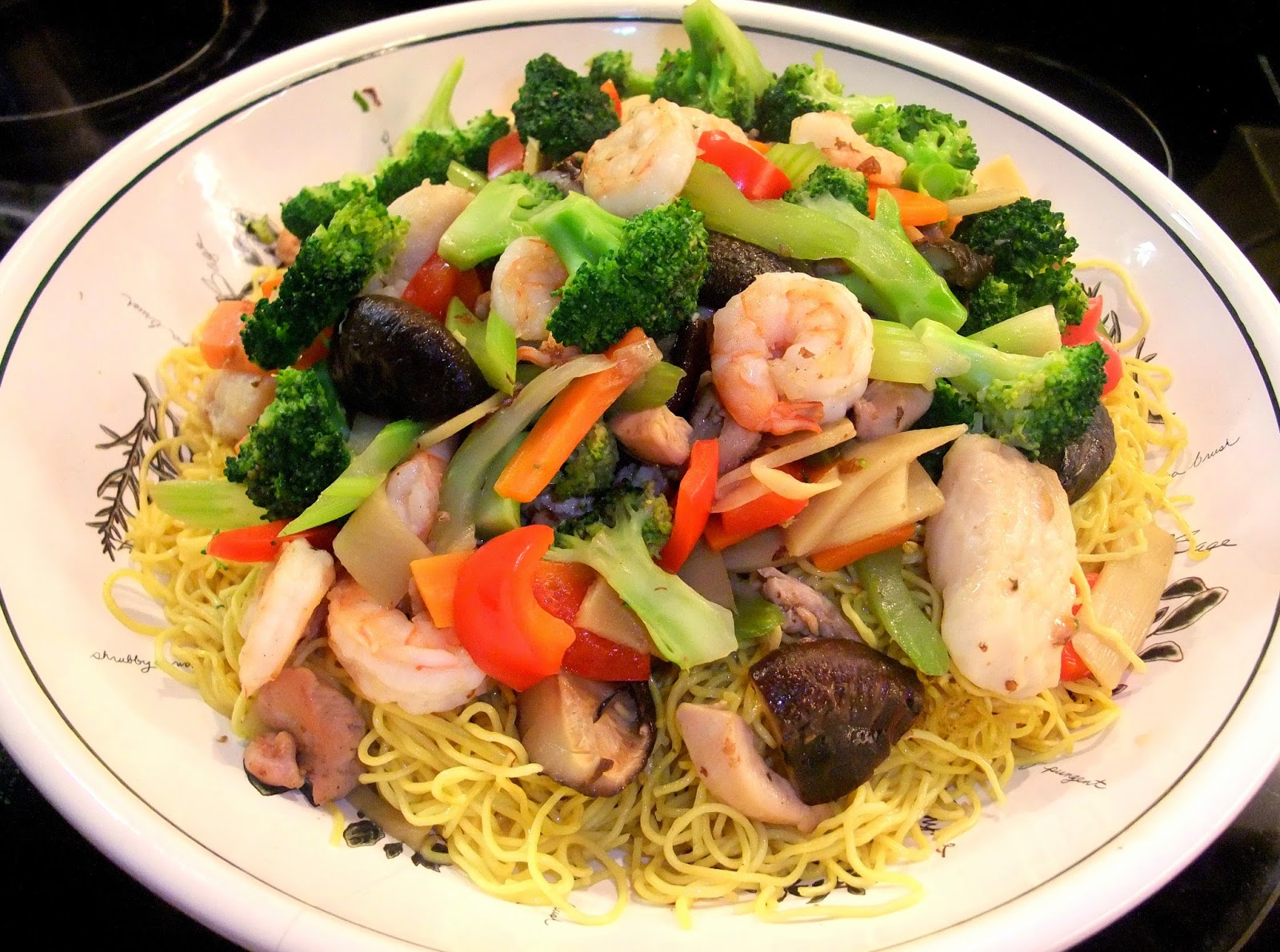
Fan of Lo Mein? Meet its originator, Cantonese Chow Mein. It is much more subtle in flavor, uses fresh ingredients, and much more easy on the fat and seasonings!
Closing Thoughts:

Wow! I cannot believe we just traveled throughout China and through history and learned about the beautiful and flavorful Cantonese cuisine. Once again there will be so much more to indulge in, and perhaps we will Rendezvous in Guangdong again. So if I missed anything please let me know! Also please leave any comment, concern, or question about anything we have covered now or later. Do you have any Canto dishes and restaurants you like? Let us know! And most importantly, please let me know where you would like to visit next. Your contribution and opinion really does matter. The world is full of beautiful flavor, mei wei, and we never know what deliciousness we will stumble upon. So take a chance and try new things and educate yourself on food that you are not familiar with. See you guys next time in Rendezvous.

Contact me at:
meiweicafe@gmail.com

Comments system

Disqus Shortname